The PNEUMONIA Times
Scientists ‘see’ detailed make-up of deadly toxin which causes pneumonia for the first time
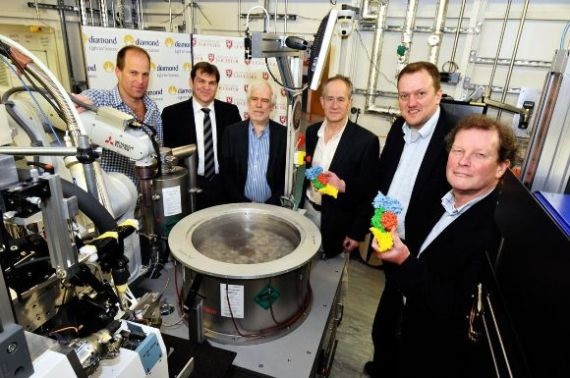
The three-year study involving four research groups from across the University points to the possibility of creating therapeutics that block assembly of pneumolysin pores to treat people with pneumococcal disease. X-ray crystallography is used to view the individual atoms of the toxin. The structure reveals what the toxin looks like and how it assembles on the surface of cells to form lethal pores.
The research is about a toxin called pneumolysin produced by a bacterium called pneumococcus (aka Streptococcus pneumoniae). Pneumococcal infections are the leading cause of bacterial pneumonia. Pneumolysin causes pneumococcus to have the ability to cause disease. The World Health Organization (WHO) estimated that more than 1.6 million people die every year from pneumococcal infections, including more than 800,000 children under 5 years old.
The results obtained from X-ray crystallography is critical to understand how the toxin works. For example, we can see which parts of the toxin come together during pore assembly. When we disrupt these contacts, the toxin becomes inactivated so can no longer kill cells. The mode of action of pneumolysin appears to be conserved in related toxins from other disease-causing bacteria such as toxins produced by pathogenic species of Listeria.
There are real prospects of creating and finding new drugs for treatment of pneumococcal diseases. Due to antibiotics resistance, researchers have been trying for decades to find new antimicrobial drugs but with little success. A new approach is to identify new targets for therapy and pneumolysin has so far shown that it is an excellent target for new treatments. The work is especially thrilling because of the importance of pneumolysin towards pneumococcal disease and the devastating consequences of pneumococcal infections. Their work has allowed them to gain new insights on how the toxin kills cells.
References:
-http://www2.le.ac.uk/offices/press/press-releases/2015/november/scientists-2018see2019-detailed-make-up-of-deadly-toxin-for-the-first-time
-http://www.news-medical.net/news/20151125/Scientists-create-detailed-image-of-deadly-toxin-linked-to-bacterial-pneumonia-meningitis-septicaemia.aspx
-http://www.infectioncontroltoday.com/news/2015/11/scientists-create-detailed-image-of-deadly-bacterial-toxin-for-the-first-time.aspx